
Cannabis Vending Machines
Direct Metrc integration for dispensary owners who need faster sales, tighter control, and a machine that fits the workflow they already use.
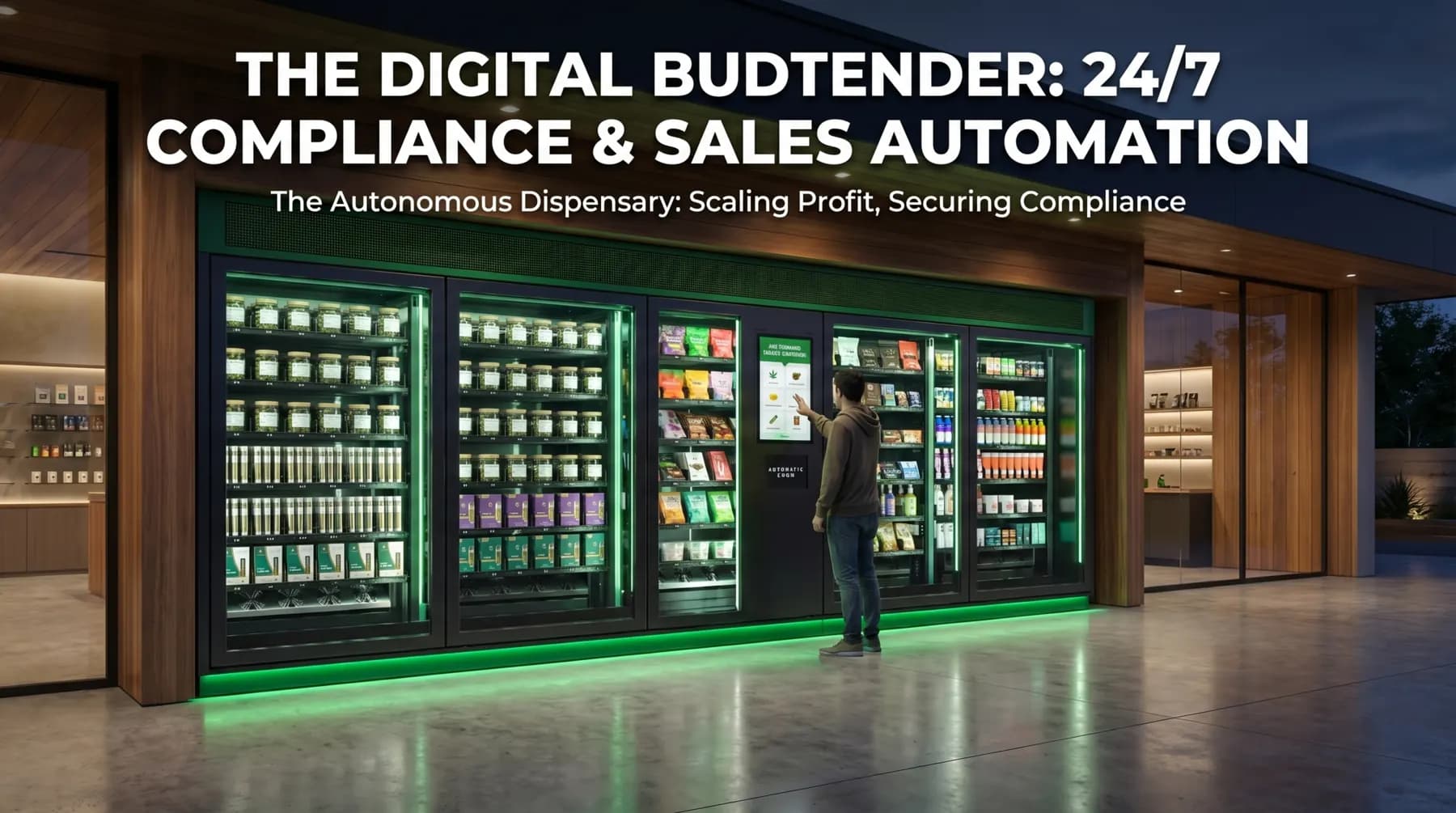
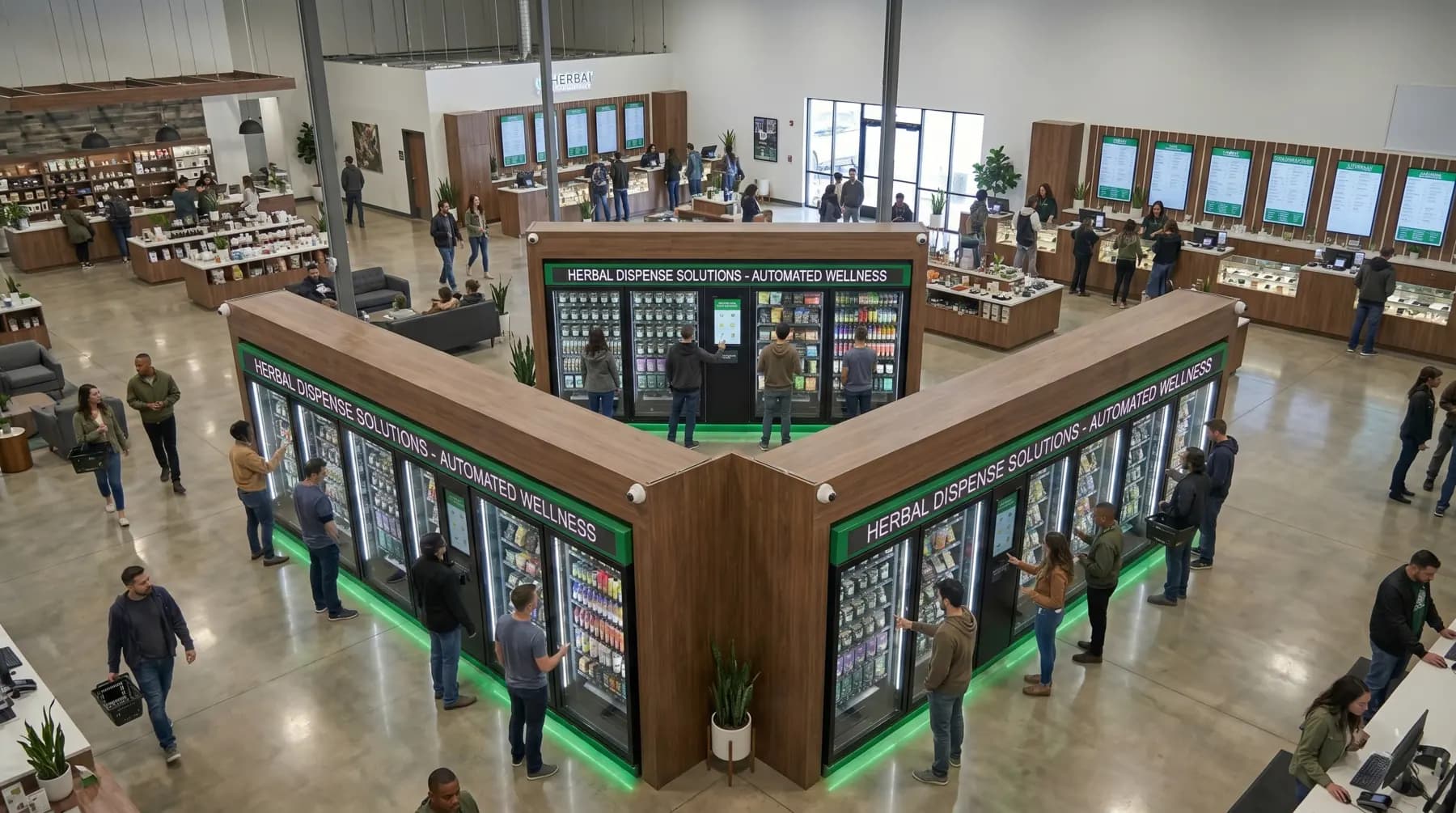
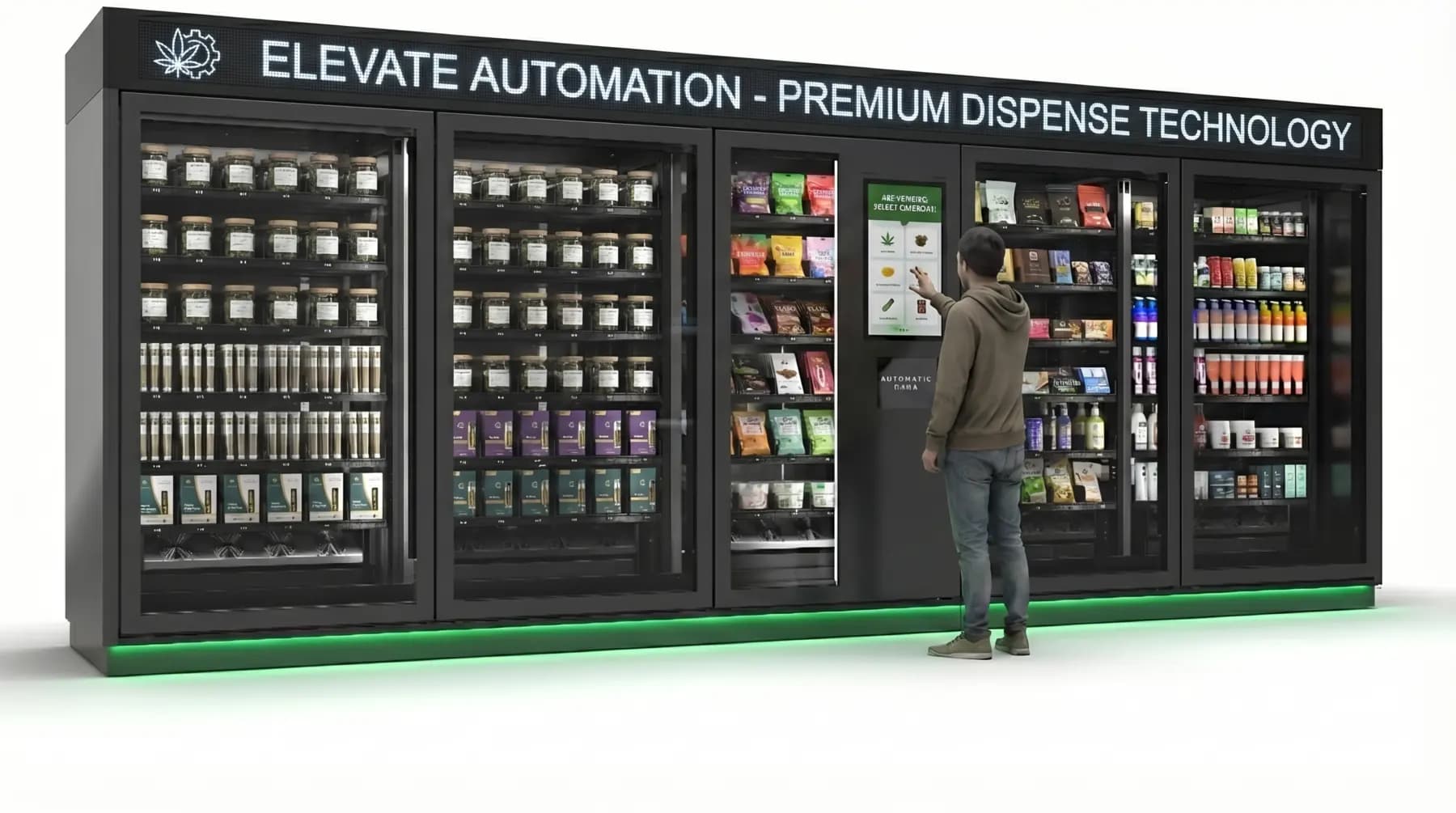
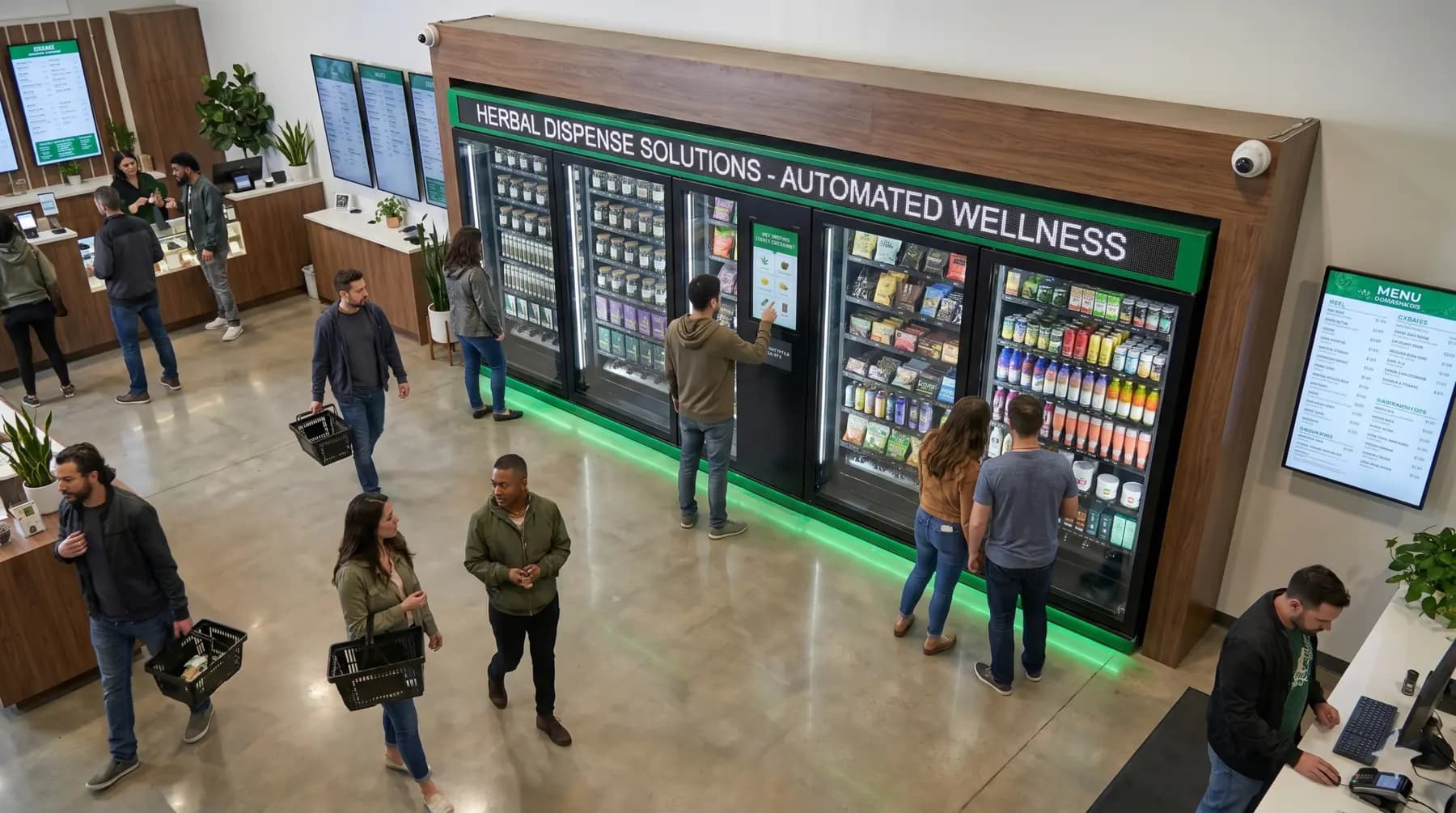

Every licensed dispensary already uses Metrc. The question is not whether to add a compliance system. The question is whether a vending machine can fit into that required reporting workflow without creating duplicate steps, inventory gaps, or staff headaches.
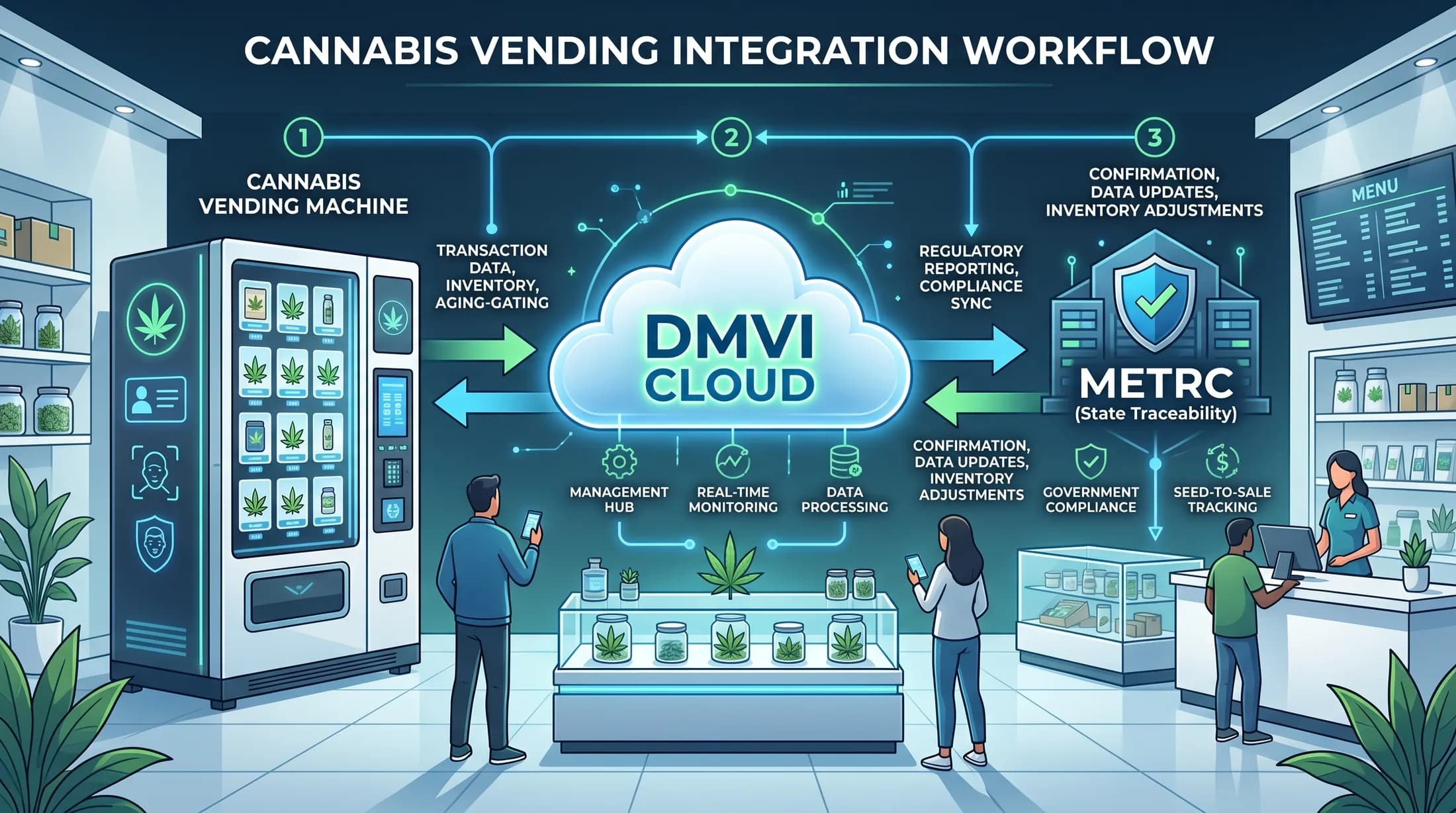
DMVI's Metrc integration is designed so cannabis vending can plug into the track-and-trace process your store already relies on, helping you add a faster sales lane without abandoning the compliance workflow you already know.
That makes the real conversation practical: product fit, customer verification, payment flow, exception handling, and how the machine supports the way your dispensary already runs day to day.
DIRECT METRC INTEGRATION FOR REGULATED DISPENSARY DEPLOYMENTS
How It Fits Into the Store
Metrc is already part of the job. Dispensaries are already required to use it, so the goal is not to bolt on another compliance layer. The goal is to make sure the machine fits the reporting, inventory, and transaction flow the store already has.
That is what makes the integration valuable. If the machine can sit inside the existing Metrc-aware workflow, dispensary owners get a faster sales channel without asking staff to babysit a separate manual process.
The handoffs still matter. Teams need to decide how the machine relates to the dispensary POS or ERP, when inventory is decremented, how reporting is triggered, and what happens when a scan, payment, or dispense event fails halfway through.
Product fit still matters too. Pre-rolls, jars, bags, tubes, cartridges, edibles, tinctures, and cartons do not all behave the same way. The machine has to match the actual product mix the dispensary wants to sell.
Security and compliance have to stay inside the workflow. That means controlled access, verification paths that fit the store and jurisdiction, and payment handling that supports a regulated retail environment instead of cutting across it.
And yes, the legal review still matters. Cannabis vending is not a blanket plug-and-play category. State rules, local permissions, and the licensed retail workflow still need to be reviewed before anyone starts making rollout promises.
THE MACHINE SHOULD FIT THE METRC WORKFLOW YOUR STORE ALREADY USES
How Our Vending Machines Fit Into Your Existing Metrc Reporting
Every licensed dispensary already works inside Metrc. DMVI's integration is designed to fit into that existing reporting flow, so the machine can support compliant cannabis sales without pushing staff into a separate manual process.
What the Machine Needs to Do
Once the Metrc fit is clear, the machine still has to work for the way a dispensary actually sells packaged cannabis.
Fit the Metrc workflow you already use
The machine should plug into the track-and-trace environment the dispensary already runs, not force staff into a parallel manual process just to stay compliant.
Handle customer verification cleanly
Phone-led verification, machine-side ID review, staffed handoff, or another controlled path all need to fit the store, the jurisdiction, and the customer experience you can actually defend.
Support a faster repeat-purchase lane
The strongest use case is often straightforward packaged purchases, where the machine helps repeat customers move through the store faster without tying up the counter.
Work with the product mix you really sell
Pre-rolls, jars, bags, tubes, cartridges, edibles, tinctures, and cartons all behave differently. The machine has to match the formats your dispensary actually plans to move.
Keep inventory movement and exceptions visible
Staff need a clear view of what sold, what failed, what dispensed, and what needs attention, especially when inventory, reporting, and customer trust are tied together.
Give operators usable reporting after launch
A live deployment should leave the store with usable transaction records, machine status visibility, and an audit trail that still makes sense after the machine is on the floor.
Questions to Answer Before You Buy
The strongest cannabis vending projects start with clear answers on Metrc fit, hardware, verification, product handling, and failure recovery.
Will this fit the Metrc workflow we already use?
The first question is whether the machine can sit inside the store's existing reporting and inventory process without creating duplicate steps or leaving staff to clean up compliance gaps by hand.
Is this the right machine path?
The store still needs to confirm whether the job points toward a supported smart machine, a retrofit candidate, or a fuller custom build. That affects serviceability, controllers, payment hardware, and rollout credibility.
How will customer verification work?
Phone-led, machine-led, staff-assisted, or another controlled path each create a different experience. The right answer depends on the store layout, the jurisdiction, and how the dispensary wants repeat purchases to move.
Can it handle the product mix we actually sell?
The dispensary needs to know whether the machine can handle the real package mix, how much usable capacity it has, and whether product handling is appropriate for the formats going into the machine.
What happens when something fails?
Serious projects need clean answers for jams, failed scans, canceled transactions, reporting interruptions, overrides, and any moment where inventory, compliance, or customer trust could drift out of sync.
Why Dispensaries Are Using Cannabis Vending
When the machine fits the Metrc workflow and the store workflow, the upside is simple: faster sales, better control, and less pressure on the front counter.
Faster repeat-purchase checkout
For straightforward packaged orders, the machine can create a quicker path through the store so repeat customers are not stuck waiting in the same queue as every consultative sale.
Less front-counter congestion
Moving routine transactions into a controlled self-service flow can reduce line pressure and make the dispensary feel more organised during busy periods.
More budtender time for real selling
When the machine handles more low-complexity purchases, staff can focus on consultations, upsell opportunities, customer education, and exception handling instead of repetitive checkout work.
Better control over packaged cannabis sales
A well-scoped deployment can give owners tighter control over access, verification, transaction flow, and inventory-sensitive product movement than a purely manual counter process.
A faster sales lane without leaving the compliance workflow
That is the real appeal: the store gets another way to move product without stepping outside the Metrc-aware reporting and operating model it already has to follow.
See Whether It Fits Your Current Metrc Process
If you are evaluating cannabis vending for a real dispensary deployment, DMVI can help review machine fit, Metrc integration, verification, payment flow, and the day-to-day operating model before you commit to the wrong setup.
FAQs
No. Cannabis vending has to be reviewed jurisdiction by jurisdiction. DMVI can help scope the machine, workflow, and software path, but legal viability still depends on the state, municipality, and licensed retail environment.
Projects can be scoped around packaged products such as pre-rolls, vaporizer items, bags, tubes, jars, cartons, edibles, tinctures, and other controlled retail formats, provided the dispense path and product dimensions are planned properly.
If the deployment lives inside a regulated cannabis workflow, the team should map how inventory state, sales reporting, UID retirement, and exception handling work before hardware is locked. Treating Metrc or another compliance system as an afterthought is how projects become messy.
Yes, in the right deployment. Some projects are aimed at high-volume, low-consultation purchases where account-on-file, controlled access, and a faster checkout path can reduce front-counter congestion while leaving staffed budtenders focused on higher-touch consultations.
Buyers usually need to clarify whether the machine will rely on phone-based identity checks, machine-side ID review, staffed handoff, or another controlled-access path. The right answer depends on jurisdiction, venue, and the customer journey the operator can actually defend.
The machine is only one layer. Cannabis projects also need product-control logic, payment assumptions, operator oversight, reporting expectations, and a clear plan for what happens when scans, payments, or reporting handoffs fail.
Yes. Some projects are better served by a supported smart machine, while others may start with a compatibility or retrofit review. The machine path should be confirmed against the regulated workflow before rollout promises are made.